Central American
Central American
Weedstraindb™ Strain Profile
This profile is part of the Weedstraindb cannabis database, built to help patients, educators, and curious consumers understand strain names with more context and less hype.
Central American
Classification: Landrace Sativa
Hook:
Central American is a regional landrace sativa category known for tall plant structure, bright cerebral effects, and old-world tropical character. Rather than being one fixed modern hybrid, it represents native or traditional cannabis expressions from Central America, making it best understood as a landrace family instead of a single standardized cultivar.
Lineage:
Central American landrace / indigenous regional sativa
Exact lineage is source-dependent because this name refers to regional landrace genetics rather than a single breeder-made cross.
Aroma / Flavor / Appearance:
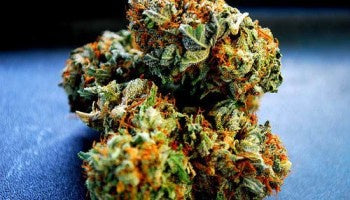
Central American is commonly described with sweet woody earth, pine, citrus, herbal spice, fruit, and light floral notes. The flavor can lean earthy, sharp, green, spicy, and lightly sweet, with a pine-citrus finish depending on region and phenotype. Buds may show looser sativa structure, longer flowers, lighter green coloring, orange pistils, and variable resin coverage depending on source, environment, and preservation quality.
Effects & Use:
Expect a cerebral, uplifting effect that may support energy, focus, creativity, conversation, and daytime movement. Central American may pair well with outdoor activity, music, creative work, chores, social settings, or patients seeking a lighter old-school sativa experience. Sensitive patients should approach carefully because some landrace sativas can feel racy or anxious at higher doses.
Medical / Wellness Use:
Commonly chosen by consumers looking for mood support, fatigue relief, stress support, focus, and daytime functionality. Because Central American is not a standardized modern strain, patients should rely on lab results, freshness, source history, and personal tolerance when evaluating real-world products.
Grow Notes:
- Indoor Flowering: Often longer than modern hybrids; source-dependent / not consistently published
- Outdoor: Best suited to warm, humid, tropical or subtropical climates
- Landrace sativa structure may grow tall, branchy, and stretch heavily during flower
- Can express woody, earthy, pine, citrus, herbal, spice, and tropical fruit aromatics late in flower
- May require topping, training, pruning, and strong canopy management indoors
- Regional expressions may vary significantly by latitude, seed source, and preservation line
- Best evaluated by seed source, regional origin, phenotype, grower notes, freshness, and lab-tested flower
Lab Profile:
- THC: Variable; often lower to moderate compared with modern high-THC hybrids, but batch results may vary
- CBD: Usually low to variable
- Terpenes: Terpinolene, Pinene, Myrcene, Caryophyllene, Limonene
Patient Reminder
Strain names are not enough. Two products with the same strain name can feel different depending on grower, harvest, cure, storage, lab profile, terpene content, and individual biology.
Knowledge First. Always.
This page is for education and database reference only. It is not medical advice, product placement, or a promise of effects. Use lab results, labels, and personal tolerance when making real cannabis decisions.